

On-Page SEO

The Importance of on-page SEO for website rankings.
On-page SEO factors
When it comes to on-page SEO, there are several key factors that you need to consider:
There are many reasons why on-page SEO is essential for your site’s success. From improving your website’s visibility to increasing organic traffic and conversions.
On-page SEO helps search engines understand what your website is about. By optimising webpage elements like headings you make your website easy to understand.
Optimising your on-page content improves the user experience on your website. When your website is well-optimised, visitors can navigate and find relevant information. This will increase engagement rates with your website and improve your user experience.
Conducting a thorough keyword research for use in your website content is critical. Adding those keywords to your content means customers will find you.
On-page SEO is crucial for improving your website’s rankings. It enhances user experience and drives targeted organic traffic to your website.
Create compelling content.

You've done your keyword research so how do you start using it?
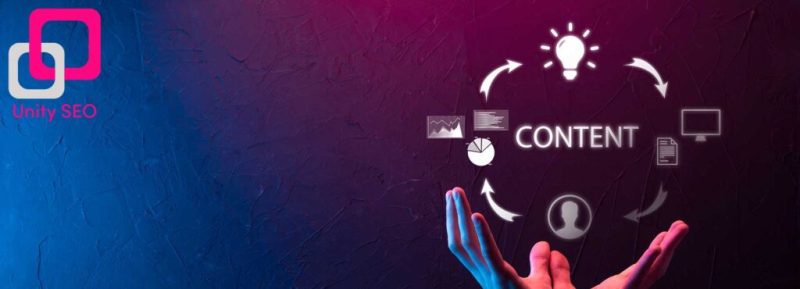
Content is king when it comes to on-page SEO. Creating high-quality, informative, and engaging content is essential for driving organic traffic. This will establish your website as a trusted source of information.
Everything starts with keyword research. This involves identifying the keywords your customers are using when searching for websites.
Using SEO services like Ahrefs or UberSuggest can be very helpful but expensive. Alternatives like the browser-based Keywords Everywhere provide a more cost-effective solution.
Using Google’s search page offers a free but limited solution for keyword research. By typing in a keyword, it will display a drop-down list of the ten most popular related search terms.
Look for keywords with high search volumes and low competition.
By understanding the search intent behind these keywords will help when creating content. Helping you align with what your audience is looking for. Here are some tips for creating compelling and friendly content:
Understand your audience and their needs
This is where thorough research becomes key. When working for clients, research their business. Research their competitors; what are they doing that’s working for them? Research their clients. What are they looking for when they are looking for services like your clients?
Use this research to compile a targeted keyword list
These keywords will cover the central themes for content surrounding your client’s business. They may also reveal some of the specific questions their clients want to answer.
Use SEO tools to carry out more specific keyword research
SEO tools can reveal gaps in your content that aren’t targeted by their competitors. Keywords found through this type of research can give the website you are working on the edge.
Following the above will produce a focused library of keywords. Using this keyword library will allow you to craft engaging and compelling content. In turn, it will support you to tell the story behind the business and its true character.

Researching keywords is the start of your content journey. Follow these simple steps to reveall the hidden structure within your keyword library:
- From your keyword library identify the main keyword. This is the keyword that identifies with the purpose of the website.
- Next, identify short-tail keywords that describe the main functions of the business. Short-tail keywords are those that comprise of three words or less, and are specific in nature. A human resources website will have an employee wellbeing related short-tail keyword.
- Follow this with a small sets of long-tail keywords. That’s those keywords that comprise of four or more words and that are more specific in nature. Particularly those that ask specific questions about subject areas of the business. Each set of long-tail keywords related to one of the short-tail keyword you selected above.
Analysing your keyword library in this way will reveal a structure of headings. This structure will reflect what your customers are searching for. But, this will rely on how thorough your research has been. Depending on what you are attempting to achieve, the structure could be a webpage, a post or a whole website.
Optimising meta tags for better search visibility.

Meta-tags provide information about your web page to search engines. They include the page title, meta description, and meta keywords.
Start by optimising your page titles. These should describe the content of your page and include your target keywords. Keep them concise, informative, and compelling to entice users to click. Avoid using generic titles that don’t provide any value or relevance to the user.
Next, optimise your meta descriptions. These are short summaries that appear below the page title in search results. They should provide a clear and concise overview of your page’s content.
Meta keywords are no longer a significant ranking factor. So optimising your page titles and meta descriptions is best.
Heading tags (H1, H2, H3, etc.) are crucial in structuring your content. The structure you revealed through your keyword research should map to these headings.
Here are some more tips for optimising your heading tags:
- ensure that you have one H1 tag per page indicating your page’s main heading or title. Ensure it reflects your page’s content and includes your target keywords.
- Use H2 tags for subheadings and H3 tags for sub-subheadings. This will organise your content and make it more scannable for users and search engines.
- Structure your heading tags and follow a logical hierarchy. Your heading tags should look like a table of contents in a book. Don’t use heading tags out of sequence to format them as this looks confusing to search engines.
Your structure is the pathway to your content.

Using your structure you can now start writting content in earnest. Taking each sub-heading in turn write the related content. At this point you can include as many of the keywords you found through your keyword research as you can. But, be careful including too many keywords may make your content sound unnatural.
Your content should be engaging and have a natural flow. If writting is not your best skill then use tools that will help you. Tools like Yoast Plugin and Microsoft word all have the ability to assess your content. They use the Flesch reading ease score to assess your writting. This calculates a score of between 0-100 depending on how easy your content is to read.
Finally, use bullet points, and paragraphs to break up your text. This will make it scannable and easier for your users and search engines to understand.
Image optimisation for better search rankings
Use images, videos, and other multimedia elements to make your content appealing.
Images play a crucial role in enhancing your website’s user experience. They can also impact your website’s SEO if not optimised. Here are some tips for image optimisation:
- Choose the right file format for your images. For photographs or images with complex colours, use JPEG format. Use PNG format for pictures with transparency or simple graphics.
- Optimise your image file names. Use descriptive and relevant terms that include your target keywords. This helps search engines understand the content of your images.
- Compress your images to reduce file size without compromising quality. Large image files will slow down your website’s loading speed. Use image compression tools like TinyPNG or JPEGmini to optimise your images.
- Include alt text for your images. Alt text provides alternative information for visually impaired users. The alt text needs to be concise and describe the image. Visually impaired visitors to your website will use a screen reader to read the alt text. Accessibility enhancements like these are a ranking factor for search engines.
URL structure and optimisation

The structure of your website and URLs play a role in user experience and search engine rankings. A well-optimised URL should be descriptive, concise, and easy to understand. Here are some best practices for URL structure and optimisation.
- Include keywords in your URLs will help search engines understand your page’s relevance. But, avoid using long and complex URLs that are difficult to read and remember. Keep them concise and straightforward.
- Use hyphens to separate words in your URLs. This will improve make it easier for users and search engines to understand.
- Avoid using special characters or unnecessary parameters in your URLs. These can create confusion and lead to search engines not indexing the webpage.
- Ensure that your URLs are not generated. Static URLs are more search engine friendly.
Internal linking for enhanced website navigation and SEO

Internal linking is the process of connecting content within your website. It aids website navigation, improves user experience, and boosts your website’s SEO. Here are some tips for effective internal linking:
- Use descriptive anchor text for your internal links. Anchor text is the visible, clickable text of a link. Ensure your anchor text describes the link to the page and includes relevant keywords.
- Look for opportunities to connect related content within your website. This helps users and search engines to navigate your website.
- Prioritise deep linking. Deep linking refers to linking to specific content within your website. This helps distribute link authority throughout your website. This will improve individual pages ranking in search results.
- Audit and update your internal links. Over time websites change. Ensure your internal links redirect users and search engines to the correct pages.
Mobile optimisation and its impact on on-page SEO
- Google has implemented mobile-first indexing. If your website is not mobile friendly, then it will have a negative impact on your search rankings.
- Mobile friendly websites load faster and provide a seamless browsing experience. This will improve user engagement which is an important ranking factor.
Conclusion
On-page SEO is a major ranking factor. Without it, you won’t connect with those prospective clients your business needs. It is worth investing in getting it right.
If you don’t have the time to do so or the resources to begin, then contact us. We can help your website rank.